This week my partners and I, have created a public service announcement (PSA) promoting the New Jersey Coalition for Financial Education (NJCFE), a non-profit organization that focuses on educating NJ residents on personal finance. They provide many online resources that we will review in the upcoming weeks in our individual podcasts. You can visit them at njcfe.org, and find out more about their services.
In my new YouTube video I illustrate how my target audience, Rutgers University Students, can create a successful money management plan. I begin the video by introducing myself, the website and a brief summary of the agenda. It consists of three key components. They are: storing and maintaining financial records, creating personal financial statements, and implementing a successful budgeting plan. You can check out the video below, or on the YouTube website: https://www.youtube.com/watch?v=x3e0g_Ke1K0&t=28s.
While creating the video I decided to apply some images from Pixabay.com with Creative Commons licenses. By doing so, the video became more engaging and entertaining. As I have stated before in my first blog post, personal finance, accounting and similar subjects can be seen as boring topics to some people. Therefore, the use of images, icons, animations, fonts, and other tactics, greatly improved the video aesthetics.
In today’s increasingly technological world, people gravitate to online video platforms such as YouTube to find answers to all sorts of questions. From this week’s reading, Wolf claims that, “watching media content can be instructional and educational, but also transformative in shaping an individual’s perceptions,” (Wolf, 2016, p.2). In my case, I provide this video for the same reason, to educate and help others have a better understanding of the world of finance. Therefore, I am certain that users online searching for better money management skills, can find my “6 Steps to Effective Budgeting” (2:30) worth watching.
Wolf also shares his ideas on the “rise of algorithmic spaces.” He writes that, “the influence of algorithmic systems is often invisible. Many individuals are unaware that their online experiences are algorithmically curated, often attributing how and when content is presented to the actions of other users rather than the platform itself,” (Wolf, 2016, p. 3). As a result, I would expect users to find my video by simply searching personal finance tutorials. Since the actions of users influence what we see online, the algorithmic system can suggest my video to other users watching other similar videos.
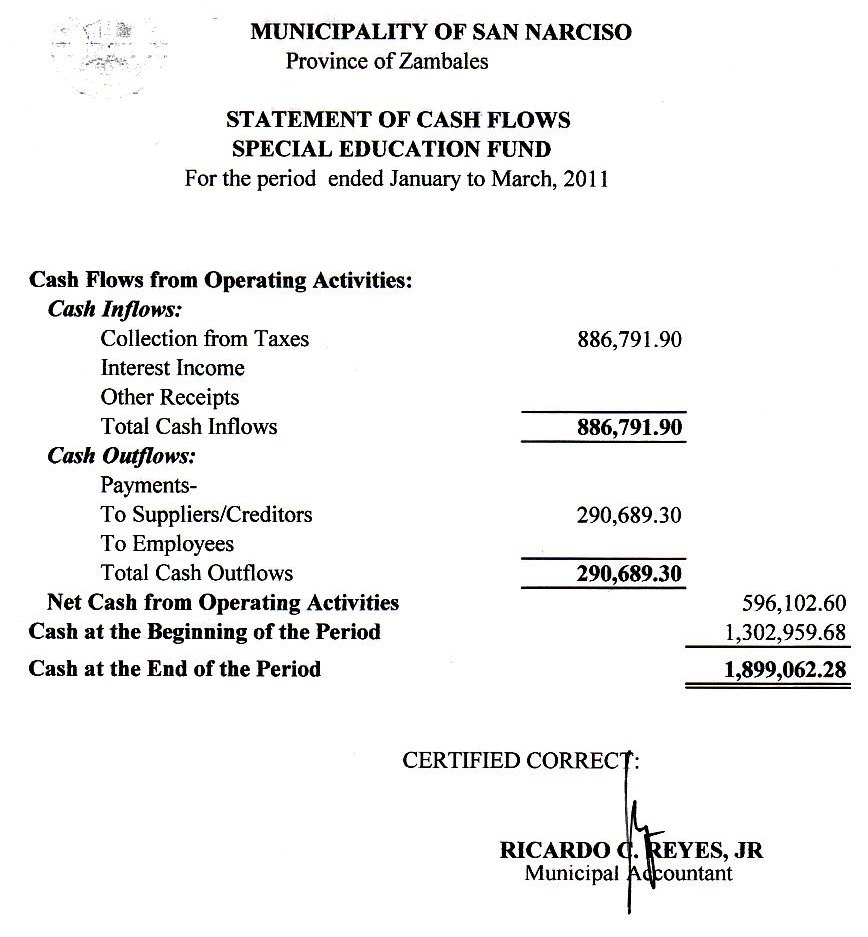
Creating this video production has been very educational and rewarding in my strategic plan for developing this website. It is very important to implement a presence on YouTube to connect to one’s audience, and it is a big advantage since so many people already use it. As promised in the video (2:22), I have attached images of examples of a balance sheet and cash flow statement below. These examples are of companies but have the same format for personal use.



 Money-Grow